Leer este artículo en español →
Salesforce Life Sciences Cloud is Salesforce's platform built specifically for pharma and medtech companies, and it is now called Agentforce Life Sciences. Its best-known part is the one for commercial teams: reps, key account managers and the people who plan how a company engages with healthcare professionals. Here is what it is, where it comes from, how it changes the daily work of a field team and where to start.
Joaquín País, CEO of ShowerThinking, also explains it on video:
What is Salesforce Life Sciences Cloud?
It is an industry product built on the Salesforce platform for life sciences companies. It brings commercial, medical, clinical trials and patient services work together in one place, on the same data. The part for commercial teams is called Life Sciences Cloud for Customer Engagement, and it is the one people see most, because it is the app the rep carries on the iPad.
Salesforce describes it as the end-to-end engagement solution purpose-built for pharma and medtech, and its commercial app as the only agent-first platform built for commercial teams.
Life Sciences Cloud or Agentforce Life Sciences: the same product
You will see both names in documentation, proposals and forums, so it helps to be clear:
Where it comes from
For years, most pharma companies ran their commercial teams on industry CRMs built on top of Salesforce. Salesforce then decided to build its own product for the industry, and it expanded its partnership with IQVIA to build it on the experience of IQVIA's OCE platform. That is how Life Sciences Cloud started. We covered the launch on video, with the comparison to Veeva: What is Life Sciences Cloud?
Many companies compare it with Veeva Vault CRM, and that is a fair comparison. The difference is in the approach: Salesforce offers one platform where commercial works with the same data as medical, clinical trials and patient services.
From a system of record to a system of insight
The idea behind it is simple. A traditional CRM is a system of record: forms and fields the rep fills in after each visit, organized around products. Salesforce proposes the opposite:
In other words, the rep should spend less time feeding the CRM and more time with doctors.
A rep's day on the iPad app
The app for field teams runs on the iPad, online and offline, and it is designed agent first:
- The day is already prepared. When the rep opens the app in the morning, the agent has a short summary of each account on the agenda: what happened in the last visits and emails, and what to focus on.
- You can listen to it. Those summaries can be played like a short podcast on the way to the first appointment.
- You ask in plain language. "Prep me for my next visit" or "show me my schedule for today", instead of digging through screens.
Planning and replanning visits
Planning takes a lot of time. The agent helps build the visit plan from the territory, the priorities of each account and the doctors who have not been seen in a while. And when a doctor cancels in the morning, it does not leave a hole in the agenda: it suggests another healthcare professional nearby who is worth visiting, with a reason to see them, and reorganizes the rest of the day.
During and after the visit
- Approved content. In the doctor's office, the rep shows material already approved for that audience, right from the iPad.
- Consent on the spot. Signatures and consent are captured there and then, with an audit trail.
- Dictated notes. After the visit, the rep dictates the notes and the agent turns them into a structured call report.
- Proposed follow-up. The agent suggests the next step, such as an approved email with the material the doctor asked for.
Because remote meetings and email live in the same profile, the next person who talks to that doctor knows what happened.
Regulated Content Management
All of this depends on one of the slowest processes in the industry: getting content approved. Every brochure, email or slide goes through medical, legal and regulatory review before a rep can use it, and that cycle can take months. Regulated Content Management brings that review into the platform:
- Content is planned and written inside Salesforce.
- Agents help check each claim against the evidence behind it.
- Reviewers get their approval requests in the flow of work, including in Slack.
- Once a piece is approved, it reaches the rep's iPad and the email campaigns without another hand-off.
What sits underneath: data, applications and compliance
In Salesforce's own words: there is a better way to work, and it just requires more than an LLM.
What changes in a single visit
Before, the rep prepared the visit by reading old notes, typed the report at night and sent a follow-up when there was time, if there was time.
With Agentforce Life Sciences, the preparation is ready before the rep asks, the report is dictated on the way out and the follow-up is proposed with approved content. And if the doctor mentions a possible side effect, it is not buried in a note: it goes to the pharmacovigilance team with the context already captured.
Before you start with Life Sciences Cloud
- Start with the field team and one process, like visit preparation, and do it well.
- Clean up your customer data first. Every summary and every suggestion depends on it.
- Bring medical and compliance in from day one, not at the end.
Frequently asked questions about Salesforce Life Sciences Cloud
Are Life Sciences Cloud and Agentforce Life Sciences the same thing?
Yes. Salesforce launched the product as Life Sciences Cloud and now calls it Agentforce Life Sciences, because AI agents are at the center of it.
Who is Salesforce Life Sciences Cloud for?
Pharma, biotech and medtech companies. Its most used part is the one for commercial and field teams, but it also covers medical, clinical trials and patient services.
Does it work offline?
Yes. The iPad app for field teams works online and offline.
How is it different from a traditional pharma CRM?
A traditional CRM records what happened, with forms organized by product. Life Sciences Cloud is organized around the customer and uses agents to prepare visits, suggest the next step and handle the follow-up.
How does it relate to IQVIA and Veeva?
Salesforce expanded its partnership with IQVIA to build Life Sciences Cloud on the innovations of IQVIA's OCE platform. Veeva Vault CRM is the alternative it is most often compared with.
Does it need Data 360?
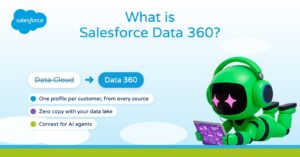
Data 360 is the data layer that builds the profile of each healthcare professional and account, and the one agents use to work with your data.
Sources
- Salesforce, Life Sciences Cloud
- Salesforce Developers, Agentforce Life Sciences Developer Guide
- Salesforce, Life Sciences Cloud for Customer Engagement
- Salesforce, Agentforce Life Sciences, May 2026
- IQVIA, IQVIA and Salesforce expand global partnership to accelerate the development of Life Sciences Cloud, April 2024
- Salesforce, Life Sciences keynote, Dreamforce 2025
- Salesforce, Life Sciences keynote, Dreamforce 2026
How ShowerThinking can help
ShowerThinking is a Salesforce partner and a Claude partner, and we help pharma and medtech companies put platforms like this into real processes, starting with the field team and customer data. If you want to see what would change for your commercial team with Life Sciences Cloud, get in touch and we will look at it in a 30-minute session. You can also read more about our work as a Salesforce partner.